

Description
Altius Life Sciences:,drugs:,Syrup:,
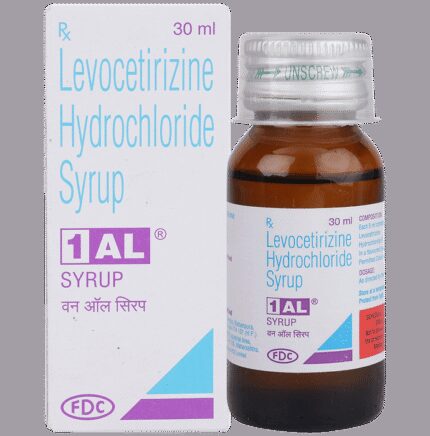
bottle of 30 ml Syrup:,30 ml:,Bottle: – Alcohol : UNSAFE
It is unsafe to consume alcohol with Altithro 200mg Syrup. | – Pregnancy : SAFE IF PRESCRIBED
Altithro 200mg Syrup is generally considered safe to use during pregnancy. Animal studies have shown low or no adverse effects to the developing baby; however, there are limited human studies. | – Breast feeding : SAFE IF PRESCRIBED
Altithro 200mg Syrup is safe to use during breastfeeding. Human studies suggest that the drug does not pass into the breastmilk in a significant amount and is not harmful to the baby.There may be a possibility of diarrhea or rash in the baby. | – Driving : SAFE
Altithro 200mg Syrup does not usually affect your ability to drive. | – Kidney : CAUTION
Altithro 200mg Syrup should be used with caution in patients with severe kidney disease. Dose adjustment of Altithro 200mg Syrup may be needed. Please consult your doctor.However, Altithro 200mg Syrup is usually considered safe to use in children with mild to moderate kidney impairment. Dose modifications are generally not required in children with kidney problems. | – Liver : CAUTION
Altithro 200mg Syrup should be used with caution in patients with liver disease. Dose adjustment of Altithro 200mg Syrup may be needed. Please consult your doctor.Discontinue immediately if signs or symptoms of hepatitis like vomiting, paleness, and weakness are observed.:
Take this medicine in the dose and duration as advised by your doctor. Check the label for directions before use. Measure it with a measuring cup and take it by mouth. Shake well before use. Altithro 200mg Syrup may be taken with or without food, but it is better to take it at a fixed time.:
Do not panic. Unless your child’s doctor has advised a specific regime for your child, you can give the missed dose as soon as you remember, but at least 12 hours before the next dose is due.:
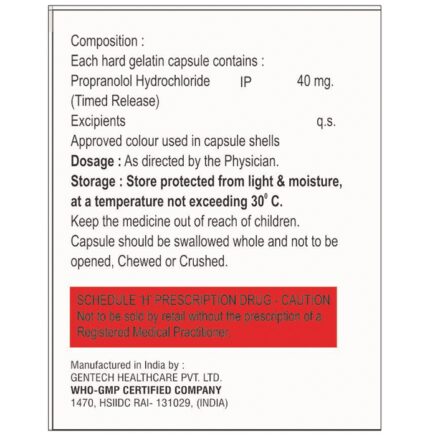
Store below 30°C
Booth No. 184, Sec-16, Panchkula, Haryana 134102:
India:
Q. What if I give too much of Altithro 200mg Syrup by mistake?::: Altithro 200mg Syrup is unlikely to cause any harm if an extra dose is given by mistake. However, if you think you have given too much of Altithro 200mg Syrup to your child, immediately speak to a doctor. Overdose may cause unwanted side effects and may even worsen your child’s condition.| Q. Are there any possible serious side effects of Altithro 200mg Syrup?::: Some serious side effects of this medicine include persistent vomiting, kidney damage, allergy, diarrhea, and severe gastrointestinal infections. Always consult your child’s doctor for help in such a situation.| Q. Can other medicines be given at the same time as Altithro 200mg Syrup?::: Altithro 200mg Syrup can sometimes interact with other medicines or substances. Tell your doctor about any other medicines your child is taking before starting Altithro 200mg Syrup. Also, check with your child’s doctor before giving any medicine to your child.| Q. Can I get my child vaccinated while on treatment with Altithro 200mg Syrup?::: Antibiotics usually do not interfere with the ingredients in vaccines or cause a bad reaction in a child who has just been vaccinated. However, children taking antibiotics should not get vaccinated until they recover from the illness. As soon as your child feels better, the vaccine can be given.| Q. Which all lab tests should my child undergo while taking Altithro 200mg Syrup on a long term basis?::: The doctor may prescribe getting kidney function tests and liver function tests periodically to keep a check on your child’s condition.| Q. Can Altithro 200mg Syrup impact my child’s digestion?::: Children often have a sensitive stomach and develop a stomach upset while taking medicines. When antibiotics are given, the good bacteria in their gastrointestinal tract may too get affected. Altithro 200mg Syrup may kill off good bacteria along with the bad ones, increasing your child’s risk of developing other infections. So, in case your child is having diarrhea while on Altithro 200mg Syrup, do not stop the medicine course. Instead, call your child’s doctor to ask the next steps. In some cases, the doctor may alter the dose.| Q. Why is Altithro 200mg Syrup given for 3 days?::: The duration of treatment depends on the type of infection being treated and the age of the patient. Altithro 200mg Syrup is not necessarily given for 3 days. In most bacterial infections, a single dose of 500 mg is given for 3 days. Alternatively, it can be given as 500 mg once on day 1 and then 250 mg once from day 2 to day 5. In some cases of infection such as genital ulcer disease, it is given as a single 1 gram dose. Therefore, you must stick to the regimen advised by your doctor.| Q. What should I avoid while taking Altithro 200mg Syrup?::: Generally, it is recommended that patients taking Altithro 200mg Syrup should avoid taking any antacid with this medicine as this can affect the overall effectiveness of Altithro 200mg Syrup. It is also recommended to avoid exposure to sunlight or tanning beds as Altithro 200mg Syrup increases the risk of sunburn.| Q. Is Altithro 200mg Syrup a strong antibiotic?::: Altithro 200mg Syrup is an effective antibiotic that is used for the treatment of many bacterial infections. Compared to other antibiotics, Altithro 200mg Syrup has a longer half-life which means that it stays in the body for a long time because of which it is given once a day and for a short span of time. Other antibiotics comparatively have a shorter half-life and are usually given twice, thrice, or four times a day.| Q. Can you get a yeast infection from taking Altithro 200mg Syrup?::: Some people may get a fungal or yeast infection known as thrush after taking Altithro 200mg Syrup. Antibiotics such as Altithro 200mg Syrup can kill the normal or ‘good bacteria’ of your intestine responsible for preventing thrush. You should inform your doctor if you get a sore or vaginal itching or discharge. Also, inform your doctor if you get a white patch in the mouth or tongue after taking Altithro 200mg Syrup or soon after stopping it.:
Altithro 200mg Syrup is an antibiotic. It works by interfering with the synthesis of essential proteins required by bacteria to perform important functions. By doing so, it stops the infection-causing bacteria from growing further and prevents the infection from spreading.:
Altius Life Sciences | Booth No. 184, Sec-16, Panchkula, Haryana 134102:
Altithro 200mg Syrup is an antibiotic medication. It is commonly given to children for the treatment of a wide range of bacterial infections targeting the ear, eyes, nose, throat, lungs, skin, and gastrointestinal tract.Altithro 200mg Syrup works by inhibiting the growth of the infection-causing bacteria and stopping it from multiplying. As a result of this, the spread of the infection is disabled. Altithro 200mg Syrup is usually given once a day, preferably in the morning. However, in the case of typhoid, it is to be given twice. Give it with or without food at about the same time each day. However, it is best given with food since children often have a sensitive stomach and could easily get a stomach upset.Medicine dose depends on the type of infection your child has, its severity, and your child’s age and body weight. So stick to the dose, time, and way prescribed by the doctor. In case your child vomits within 30 minutes of taking this medicine, give the same dose again.Your child may start to feel better within 2 days of regular dosing. However, you must still complete the full prescribed course of the medicine and never stop it abruptly as that may worsen your child’s condition or increase the risk of reinfection. Some of the minor and temporary side effects of this medicine include vomiting, diarrhea, nausea, and stomach pain. Usually, these episodes subside once your child’s body adapts to the medicine. However, in case these effects persist or become bothersome for your child, consult your child’s doctor without any delay.Inform your child’s doctor about any previous episode of any allergy, heart problem, liver impairment, and kidney malfunction. Knowing the child’s medical history is critical for dose alterations and for planning your child’s overall treatment.: