

Briwin 50mg Tablet
In Epilepsy/Seizures Briwin 50mg Tablet belongs to a group of medicines called anticonvulsants (or anti-epileptics). It works by slowing down electrical signals in the brain which cause seizures (fits). This medicine can be used to control the various types of seizures—myoclonic, partial-onset, and primary generalized tonic-clonic (or grand mal). It can also help reduce symptoms such as confusion, uncontrollable jerking movements, loss of awareness, and fear or anxiety. u003cbr>u003cbr>The medicine can allow you to do some activities that you would otherwise be forbidden or scared to do (such as swimming and driving). It can take a few weeks for this medicine to work (because the dose has to be increased slowly) and during this time you may still have seizures. You should continue taking it even if you feel well and are not having any seizures. Missing doses may trigger a seizure. Do not stop using this medicine until your doctor advises you.
Brix 250mg Suspension
In Pain relief Brix 250mg Suspension is a common painkiller used to treat aches and pains. It works by blocking chemical messengers in the brain that tell us we have pain. It is effective in relieving pain caused by headache, migraine, nerve pain, toothache, sore throat, period (menstrual) pains, arthritis, and muscle aches. This medicine is very widely used and very rarely causes side effects if taken at the right dosage. Take it as it is prescribed to get the most benefit. Do not take more or for longer than needed as that can be dangerous. In general, you should take the lowest dose that works, for the shortest possible time. It is also the first choice of painkiller during pregnancy or breastfeeding.
Brixco P Syrup
In Treatment of Cough A cough is a sudden, forceful expulsion of air that helps clear any mucus or irritant in the throat or airways. If it happens more frequently, due to an underlying disease or an allergy, it can be bothersome. Brixco P Syrup helps to loosen thick mucus, making it easier to cough out. This makes it easier for air to move in and out. It will also relieve allergy symptoms like watery eyes, sneezing, runny nose, or throat irritation and help you carry out your daily activities more easily. u003cbr>u003cbr>This medicine is safe and effective. It usually starts to work within a few minutes and the effects can last up to several hours. Take it as prescribed by the doctor. Do not stop using it unless you are advised to by your doctor. Taking this medicine enables you to live your life more freely without worrying so much about things that set off your symptoms.
Brixco Syrup
In Treatment of Cough A cough is a sudden, forceful expulsion of air that helps clear any mucus or irritant in the throat or airways. If it happens more frequently, due to an underlying disease or an allergy, it can be bothersome. Brixco Syrup helps to loosen thick mucus, making it easier to cough out. This makes it easier for air to move in and out. It will also relieve allergy symptoms like watery eyes, sneezing, runny nose, or throat irritation and help you carry out your daily activities more easily. u003cbr>u003cbr>This medicine is safe and effective. It usually starts to work within a few minutes and the effects can last up to several hours. Take it as prescribed by the doctor. Do not stop using it unless you are advised to by your doctor. Taking this medicine enables you to live your life more freely without worrying so much about things that set off your symptoms.
Briza 20mg Tablet
In Treatment of Zollinger-Ellison syndrome Zollinger-Ellison syndrome is a rare disorder where excessive stomach acid production leads to multiple peptic ulcers. Symptoms include abdominal pain, diarrhea, and heartburn. Briza 20mg Tablet By reducing the production of stomach acid, it helps alleviate symptoms such as abdominal pain, heartburn, and diarrhea. Esomeprazole also aids in the healing of peptic ulcers, which are common in this condition. By controlling the excessive acid secretion associated with Zollinger-Ellison syndrome, esomeprazole helps improve the overall digestive health and prevents complications such as gastrointestinal bleeding.
Briza D 30mg/20mg Capsule SR
In Treatment of Gastroesophageal reflux disease (Acid reflux) Gastroesophageal reflux disease (GERD) is a chronic (long-term) condition in which there is an excess production of acid in the stomach. Briza D 30mg/20mg Capsule SR reduces the amount of acid your stomach makes and relieves the pain associated with heartburn and acid reflux. You should take it exactly as it is prescribed for it to be effective. Some simple lifestyle changes can help reduce the symptoms of GERD. Think about what foods trigger heartburn and try to avoid them; eat smaller, more frequent meals; try to lose weight if you are overweight, and try to find ways to relax. Do not eat within 3-4 hours of going to bed.
Briza L 75mg/20mg Capsule SR
In Treatment of Intestinal ulcers Intestinal ulcers are painful sores that develop in the inner lining of the stomach or gut (intestine). Briza L 75mg/20mg Capsule SR reduces the amount of acid your stomach makes which prevents further damage to the ulcer as it heals naturally. You may be given other medicines along with this medicine depending on what caused the ulcer. You need to keep taking Briza L 75mg/20mg Capsule SR as prescribed by the doctor for it to be effective, even if the symptoms seem to disappear.
Brizid 60mg Tablet XR
Brizol 10mg Tablet
In Treatment of Zollinger-Ellison syndrome Zollinger-Ellison syndrome is a rare disorder where excessive stomach acid production leads to multiple peptic ulcers. Symptoms include abdominal pain, diarrhea, and heartburn. Brizol 10mg Tablet By reducing the production of stomach acid, it helps alleviate symptoms such as abdominal pain, heartburn, and diarrhea. Esomeprazole also aids in the healing of peptic ulcers, which are common in this condition. By controlling the excessive acid secretion associated with Zollinger-Ellison syndrome, esomeprazole helps improve the overall digestive health and prevents complications such as gastrointestinal bleeding.
Brizopan 40mg Capsule
In Treatment of Heartburn Heartburn and acid reflux happens when a muscle above your stomach relaxes too much and allows stomach contents and acid to come back up into your esophagus and mouth. Brizopan 40mg Capsule belongs to a group of medicines called proton pump inhibitors. It reduces the amount of acid your stomach makes and relieves the pain associated with heartburn and acid reflux. You can increase the efficiency of the medicine by making certain lifestyle changes. These include avoiding foods that trigger the symptoms, eating smaller more frequent meals, losing weight if you are overweight.
Briztel 40mg/10mg Tablet
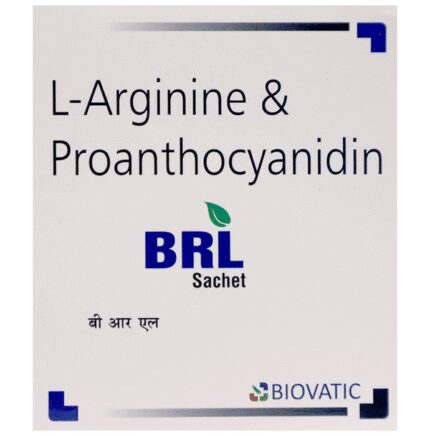
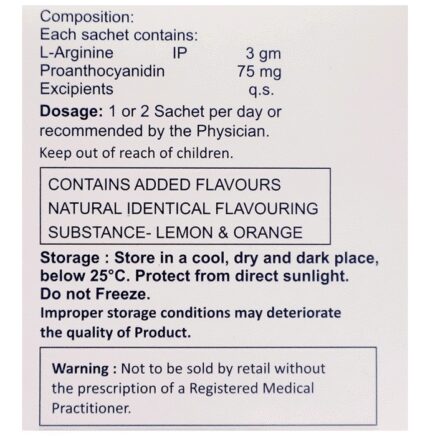
BRL Powder
In Nutritional deficiencies BRL Powder is a nutritional supplement that is used with other medicines in the treatment of many long term diseases. BRL Powder has antioxidants that helps in management of heart disease, chest pain, high blood pressure and sugar level. It also helps in proper growth and development of the body. However, consult your doctor before taking it to get maximum benefit.