

Adidro 80mg/250mg Tablet
Adidro 80mg/250mg Tablet is a combination medicine used in the treatment of abdominal pain. It works effectively to reduce abdominal pain, bloating, discomfort and cramps by relaxing the muscles of the stomach and gut. It also blocks certain chemical messengers that cause pain and discomfort. Adidro 80mg/250mg Tablet is taken with food in a dose and duration as advised by the doctor. The dose you are given will depend on your condition and how you respond to the medicine. You should keep taking this medicine for as long as your doctor recommends. If you stop treatment too early your symptoms may come back and your condition may worsen. Let your healthcare team know about all other medications you are taking as some may affect, or be affected by this medicine.The most common side effects are diarrhea, nausea, vomiting, stomach pain, dryness in mouth, loss of appetite, feeling thirsty, and heartburn. Most of these are temporary and usually resolve with time. Contact your doctor straight away if you are at all concerned about any of these side effects. It may also cause dizziness and drowsiness, so do not drive or do anything that requires mental focus until you know how this medicine affects you. Avoid drinking alcohol while taking this medicine as it can worsen your dizziness.Before taking this medicine, you should tell your doctor if you are pregnant, planning pregnancy or breastfeeding. You should also tell your doctor if you have any kidney or liver diseases so that your doctor can prescribe a suitable dose for you.
Adidus M 500mg Tablet
Adidus M 500mg Tablet is a medicine used to treat type 2 diabetes mellitus. It helps control blood sugar levels and thus prevent serious complications of diabetes. It is also used to treat a menstruation-related disorder known as Polycystic ovary syndrome (PCOS) in women. Adidus M 500mg Tablet is best taken with food to avoid nausea and abdominal pain. You should take it regularly, at the same time each day, to get the most benefit. You should not stop taking this medicine unless your doctor recommends it. Your lifestyle plays a big part in controlling diabetes. Therefore, it is important to stay on the diet and exercise program recommended by your doctor while taking this medicine. The most common side effects of this medicine include diarrhea, nausea, vomiting, flatulence, weakness, indigestion, abdominal discomfort, headache, and loss of appetite. Some people may develop hypoglycemia (low blood sugar level) when this medicine is taken along with other antidiabetic medicines, alcohol, or upon skipping a meal. Monitor your blood sugar levels regularly while taking it.Before taking this medicine, inform your doctor if you have any kidney, liver, or heart problems. Pregnant or breastfeeding women should also consult their doctor before taking it. Your doctor will check your kidney function tests before starting treatment with it. Avoid excessive alcohol intake while taking it as this may increase the risk of developing some side effects.
Adifax-P 100gm/500mg Tablet
Adifax-P 100gm/500mg Tablet is a pain-relieving medicine. It is used to reduce pain and inflammation in conditions like rheumatoid arthritis, ankylosing spondylitis, and osteoarthritis. It may also be used to relieve muscle pain, back pain, toothache, or pain in the ear and throat. Adifax-P 100gm/500mg Tablet should be taken with or without food. You should take it regularly as advised by your doctor. Your doctor may change the dose and time between doses according to your pain level and your needs. Do not take more or use it for a longer duration than recommended by your doctor.Some of the common side effects of this medicine include nausea, vomiting, stomach pain, heartburn, and diarrhea. If any of these side effects bother you or do not go away with time, you should let your doctor know. Your doctor may help you with ways to reduce or prevent these side effects by prescribing an alternative medicine or adjusting the dose.Adifax-P 100gm/500mg Tablet may not be suitable for everybody. Before taking it, let your doctor know if you have any problems with your heart, kidneys, liver, or have stomach ulcers. To make sure it is safe for you, let your doctor know about all the other medicines you are taking. Pregnant and breastfeeding mothers should first consult their doctors before using Adifax-P 100gm/500mg Tablet.
Adifax-SP Tablet
Adifax-SP Tablet is a combination medicine used to relieve pain and swelling in various conditions like muscle pain, joint pain, and postoperative pain. Thus, it effectively alleviates pain and inflammation in conditions like rheumatoid arthritis, ankylosing spondylitis, and osteoarthritis. Adifax-SP Tablet should be taken in the dose and duration as advised by your doctor. It should be taken with food or milk to prevent stomach upset. Taking the medicine regularly at the right times increases its effectiveness. It is important to keep taking the medicine regularly until your doctor tells you it is safe to stop.Nausea, vomiting, stomach pain, indigestion, heartburn, increased liver enzymes, dizziness,drowsiness, and diarrhea are some of the common side effects that might be observed on taking this medicine. Your doctor may regularly monitor your kidney function, liver function, and levels of blood components if you are taking this medicine for long-term treatment. Long-term use may lead to serious complications such as stomach bleeding and kidney problems. Adifax-SP Tablet is not recommended if you are pregnant or breastfeeding.
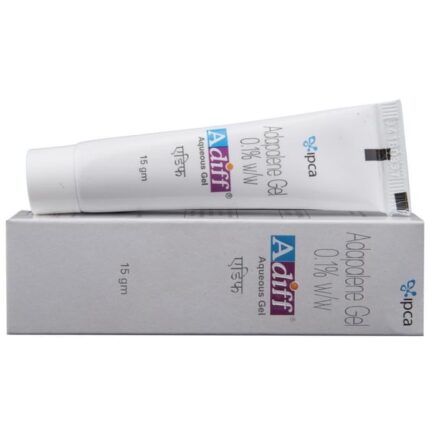

Adiff Gel
Adiff Gel is a medication used in the treatment of mild to moderate acne. It prevents the formation of small pimples, blackheads and whiteheads on the skin. It reduces excessive oil production of the skin and reduces inflammation or cleans the blocked pores. Application of Adiff Gel to the affected area once a day at bedtime is recommended. Avoid unnecessary sun exposure and cover the treated areas with clothing or use a sunscreen before stepping out in the sun. Drink plenty of water and use moisturizer as it may lead to dryness of mouth, lips and eyes. It may make your skin more fragile. It is advised, not to have any cosmetic procedures during the treatment. Adiff Gel should not be used during pregnancy. It may lead to birth defects, do consult your doctor if you are pregnant or planning to get pregnant.
Adifine P Oral Suspension
Adifine P Oral Suspension helps lower body temperature (fever) and reduce pain and inflammation (redness and swelling) both in infants and children.Adifine P Oral Suspension works by blocking the action of a chemical messenger that is known to cause fever and inflammation. Adhere to the prescribed dose, time, and way while giving this medicine to your child. It can be given orally before or after meals. However, it is best to give this medicine to your child after meals as this will prevent the chance of developing an upset stomach. Try giving it at a fixed time so that it becomes a part of your child’s daily routine and helps prevent missing a dose.If your child vomits within 30 minutes of taking this medicine, give the same dose again but do skip it if it's time for the next dose. Avoid giving more than the recommended dose for fast relief as that may cause unwanted effects in your child. Complete the full dose of the medicine even if your child feels better after a few doses because stopping the medicine in between may worsen the condition.Your child may show side effects like nausea, vomiting, abdominal pain, loss of appetite, heartburn, and diarrhea after taking this medicine. These side effects are temporary and are likely to subside once your child’s body adapts to the medicine. In case they persist or become bothersome for your child, do consult your child’s doctor on a priority basis.Before administering Adifine P Oral Suspension to your child, do inform the doctor if your child is allergic to any medicine or products, or has a history of any heart problems, birth defects, liver disease, kidney disease, lung disease, or bleeding disorder. This information is critical for dose alteration and helps in planning your child's overall treatment.
Adifine-P Tablet
Adifine-P Tablet is a pain-relieving medicine. It is used to reduce pain and inflammation in conditions like rheumatoid arthritis, ankylosing spondylitis, and osteoarthritis. It may also be used to relieve muscle pain, back pain, toothache, or pain in the ear and throat. Adifine-P Tablet should be taken with or without food. You should take it regularly as advised by your doctor. Your doctor may change the dose and time between doses according to your pain level and your needs. Do not take more or use it for a longer duration than recommended by your doctor.Some of the common side effects of this medicine include nausea, vomiting, stomach pain, heartburn, and diarrhea. If any of these side effects bother you or do not go away with time, you should let your doctor know. Your doctor may help you with ways to reduce or prevent these side effects by prescribing an alternative medicine or adjusting the dose.Adifine-P Tablet may not be suitable for everybody. Before taking it, let your doctor know if you have any problems with your heart, kidneys, liver, or have stomach ulcers. To make sure it is safe for you, let your doctor know about all the other medicines you are taking. Pregnant and breastfeeding mothers should first consult their doctors before using Adifine-P Tablet.
Adifine-SP Tablet
Adifine-SP Tablet is a combination medicine used to relieve pain and swelling in various conditions like muscle pain, joint pain, and postoperative pain. Thus, it effectively alleviates pain and inflammation in conditions like rheumatoid arthritis, ankylosing spondylitis, and osteoarthritis. Adifine-SP Tablet should be taken in the dose and duration as advised by your doctor. It should be taken with food or milk to prevent stomach upset. Taking the medicine regularly at the right times increases its effectiveness. It is important to keep taking the medicine regularly until your doctor tells you it is safe to stop.Nausea, vomiting, stomach pain, indigestion, heartburn, increased liver enzymes, dizziness,drowsiness, and diarrhea are some of the common side effects that might be observed on taking this medicine. Your doctor may regularly monitor your kidney function, liver function, and levels of blood components if you are taking this medicine for long-term treatment. Long-term use may lead to serious complications such as stomach bleeding and kidney problems. Adifine-SP Tablet is not recommended if you are pregnant or breastfeeding.
Adifixim 50mg Dry Syrup
Adifixim 50mg Dry Syrup is an antibiotic medicine. It is commonly given to children to treat a wide range of bacterial infections targeting the ear, eyes, nose, throat, lungs, skin, gastrointestinal tract, and urinary tract. It can also be used in treating uncomplicated typhoid fever in children and adolescents. Adifixim 50mg Dry Syrup is best given an hour before or two hours after meals as that ensures better absorption. In case your child develops a stomach upset, prefer giving it with meals. The dose and duration depend upon the type and severity of the infection, so stick to the dose, time, and way prescribed by the doctor. If your child vomits within 30 minutes of the intake, give the same dose again but do not double dose if it's the time for the next dose.Do not give this medicine to your child in case of cold and flu symptoms as they are usually caused by viruses, and antibiotics don’t treat viral infections. Doctors prescribe this medicine for cough and cold only when they detect any underlying secondary bacterial infection.This medicine may have some minor and temporary side effects such as vomiting, diarrhea, nausea, abdominal pain, flatulence, and allergy. Usually, these episodes subside once your child’s body adapts to the medicine. However, if these side effects persist or become bothersome for your child, report to the doctor without any delay.Narrate your child’s complete medical history to your child’s doctor, including any previous episode of allergy, heart problem, blood disorder, birth defects, airway obstruction, lung anomaly, gastrointestinal problem, skin disorder, liver impairment, and kidney malfunction. This information is critical for dose alterations and for planning your child’s overall treatment.
Adifixim CV 200mg/125mg Tablet
Adifixim CV 200mg/125mg Tablet is a combination medicine. It is prescribed to treat various types of bacterial infections. It fights against the microorganisms to prevent their growth and further spread of the infection. Adifixim CV 200mg/125mg Tablet is a prescription medicine. It is advised to take it as per the prescription. It can be taken with or without food, but it must be taken at a fixed time to ensure better efficacy. Do not consume more than the recommended dose, as this may have harmful effects on your body. If you miss a dose, take it as soon as you remember. The course of the treatment must be completed even if you feel better. Sudden discontinuation of the treatment may affect the potency of the medicine.Some common side effects of this medicine include nausea, vomiting, diarrhea, indigestion, and bloating. If any of the side effects get aggravated, you must consult your doctor immediately. If you experience any allergic reaction (rashes, itching, swelling, shortness of breath, etc.), you must seek immediate medical help.Before taking this medicine, you should tell your doctor if you are taking any medicines for any health condition. Pregnant or breastfeeding women should also consult with their doctor before taking it. Avoid drinking alcohol as it can cause excessive drowsiness with this medicine. It usually does not impair your ability to drive, but you should not drive if it makes you feel sleepy or dizzy. You must take adequate rest for a faster recovery, also take a healthy diet and drink plenty of water. Your doctor may ask for a few laboratory and diagnostic tests to know the effects of the medicine on your body.
Adifixim LB 50mg Dry Syrup
Adifixim LB 50mg Dry Syrup contains two ingredients, one antibiotic and one probiotic. While the antibiotic helps kill a wide range of bacterial infections, the probiotic prevents the antibiotic from causing digestive problems as a side effect. It does so by restoring the balance of good bacteria in the intestine. Give Adifixim LB 50mg Dry Syrup to your child with or without meals. Though the risk of developing a stomach upset is less with this medicine, giving it with meals will further reduce the risk. The dose and duration depend upon the type and severity of the infection, so stick to the dose, time, and way prescribed by the doctor. If your child vomits within 30 minutes of the intake, give the same dose again but do not double dose if it is time for the next dose.Adifixim LB 50mg Dry Syrup may cause some minor and temporary side effects in your child. These may include vomiting, diarrhea, nausea, abdominal pain, and allergy. Usually, these episodes subside once your child’s body adapts to the medicine. However, if these side effects persist or become bothersome for your child, report to the doctor without any delay. Narrate your child’s complete medical history to your child’s doctor, including any previous episode of allergy, heart problem, blood disorder, birth defects, airway obstruction, lung anomaly, gastrointestinal problem, skin disorder, liver impairment, and kidney malfunction. This information is critical for dose alterations and for planning your child’s overall treatment.
Adifixim O Dry Syrup
Adifixim O Dry Syrup is an antibiotic medicine that treats bacterial infections that may affect your child’s eyes, ears, nose, throat, lungs, skin, bone and joints, gastrointestinal tract, and urinary tract. It can also be used in treating typhoid fever in children and adolescents. Give Adifixim O Dry Syrup to your child orally, preferably at a fixed time, either before or after meals. In case your child develops a stomach upset, prefer giving it with meals. The dose and duration depend upon the type and severity of the infection, your child’s age, and body weight, so stick to the dose, time, and way prescribed by the doctor. If your child vomits within 30 minutes of intake, repeat the same dose but do not double dose if it's time for the next dose.Do not give this medicine to your child in case of cold and flu symptoms. Such symptoms are almost always a result of viral infections, and antibiotics are ineffective in killing viruses. Antibiotics are given in cough and flu symptoms only when the doctor detects any underlying secondary bacterial infection.This medicine may have some minor and temporary side effects such as vomiting, diarrhea, nausea, abdominal pain, and allergy. These side effects will disappear once your child’s body adapts to the medicine. However, if they persist or become bothersome for your child, report to the doctor without any delay.Share your child’s complete medical history with your child’s doctor. Make sure the doctor knows if your child has or had any previous episode of allergy, heart problem, a blood disorder, birth defects, airway obstruction, lung anomaly, gastrointestinal problem, skin disorder, liver impairment, and kidney malfunction. This information is critical for dose alterations and for planning your child’s overall treatment.